
 Pin
Pin
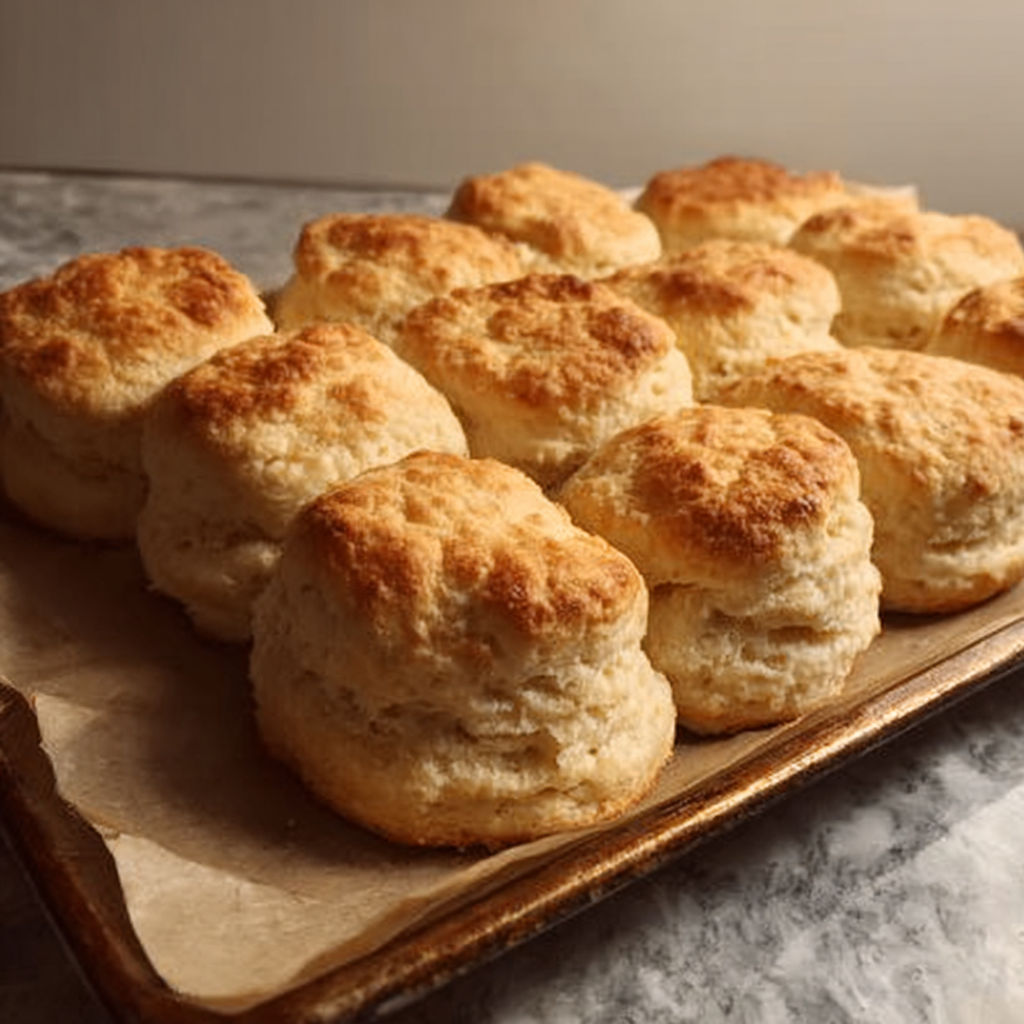
These bold, buttery Yonker Biscuits are the ultimate comfort side for any meal, with their tender layers and satisfying crunch. This timeless family recipe has been passed down through generations, blending simple ingredients for a biscuit that’s at once humble and unforgettable.
Every time I bake these biscuits, I’m instantly transported back to the cozy days at my grandmother’s kitchen. Their aroma is pure nostalgia.
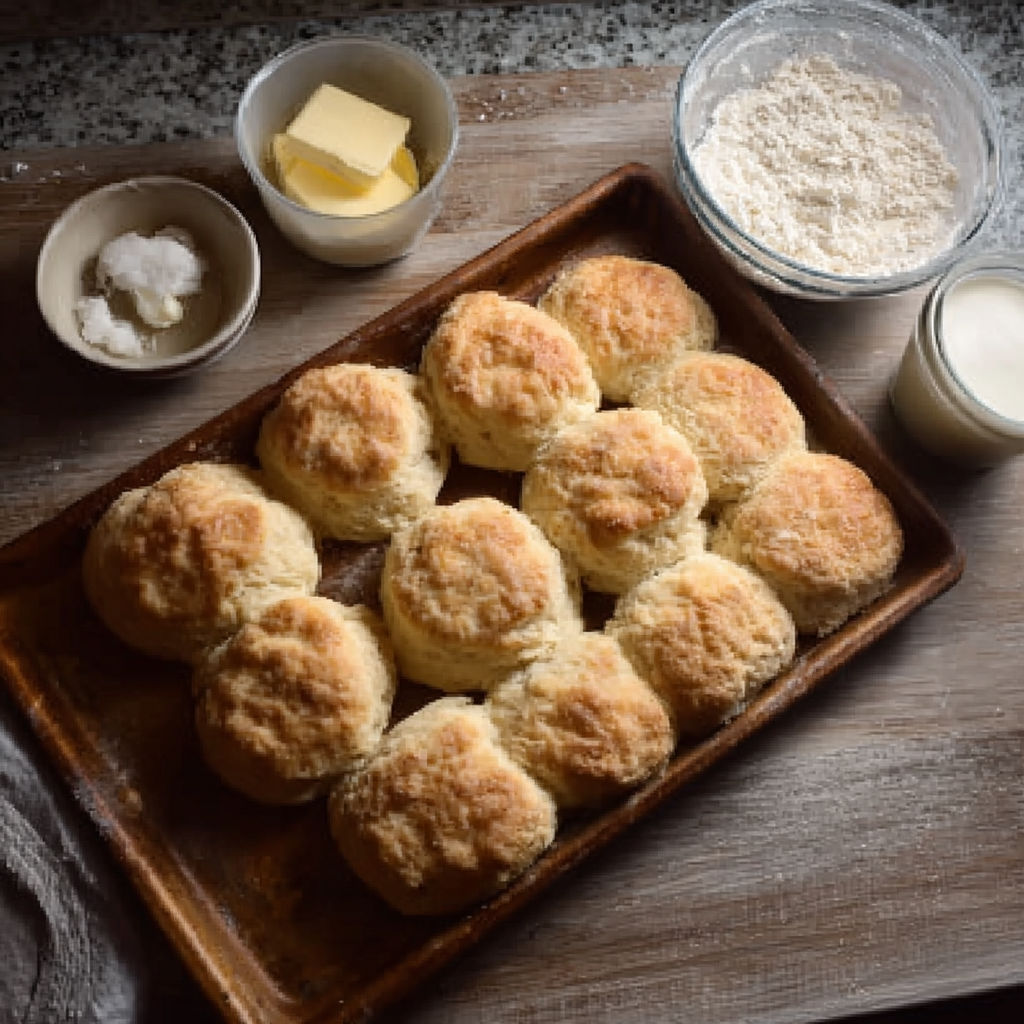
- White Lily Self-Rising Flour: 2 ½ cups perfect for tender crumb and light texture in biscuits
- Unsalted butter: ½ cup or vegetable oil to achieve optimal flakiness and rich flavor
- Cold buttermilk: 1 cup essential for keeping the dough moist and tangy
- Granulated sugar: 1 tablespoon optional but adds a subtle hint of sweetness
- Salt: ½ teaspoon enhances overall flavor balance unless using self-rising flour
- Melted butter or milk: 2 tablespoons optional for a golden and glossy finish
How To Make Yonker Biscuits
- Preheat The Oven:
- Heat your oven to 425°F ensuring an even bake. Prepare your baking sheet with greasing or parchment paper.
- Combine Dry Ingredients:
- Mix the self-rising flour with optional sugar and salt if appropriate in a large bowl to evenly distribute the flavors.
- Add Butter Or Oil:
- For butter, incorporate cold cubes into the flour using your fingers or a pastry blender until they resemble coarse crumbs. For oil, drizzle directly in and blend gently with a fork until crumbly.
- Incorporate Buttermilk:
- Create a well at the center of the dry mixture and pour the cold buttermilk in. Use a fork or spatula to fold until just combined. Preserve a slightly shaggy dough texture for softer biscuits.
- Shape The Dough:
- Turn the dough out onto a floured surface. Knead it around five times until it just comes together. Layer for flakiness by folding the dough several times before patting it down to desired thickness.
- Cut Or Drop Biscuits:
- For traditional biscuits, use a floured cutter or glass to press out rounds without twisting. For drop biscuits, add mounds of dough to the sheet for a rustic appearance.
- Prepare The Baking Sheet:
- Place biscuits evenly on the sheet. Brush (optional) tops with melted butter or milk to enhance their color while baking.
- Bake And Cool:
- Cook biscuits for 12-15 minutes until golden, adjusting time based on size. Cool slightly on a rack and share warm.
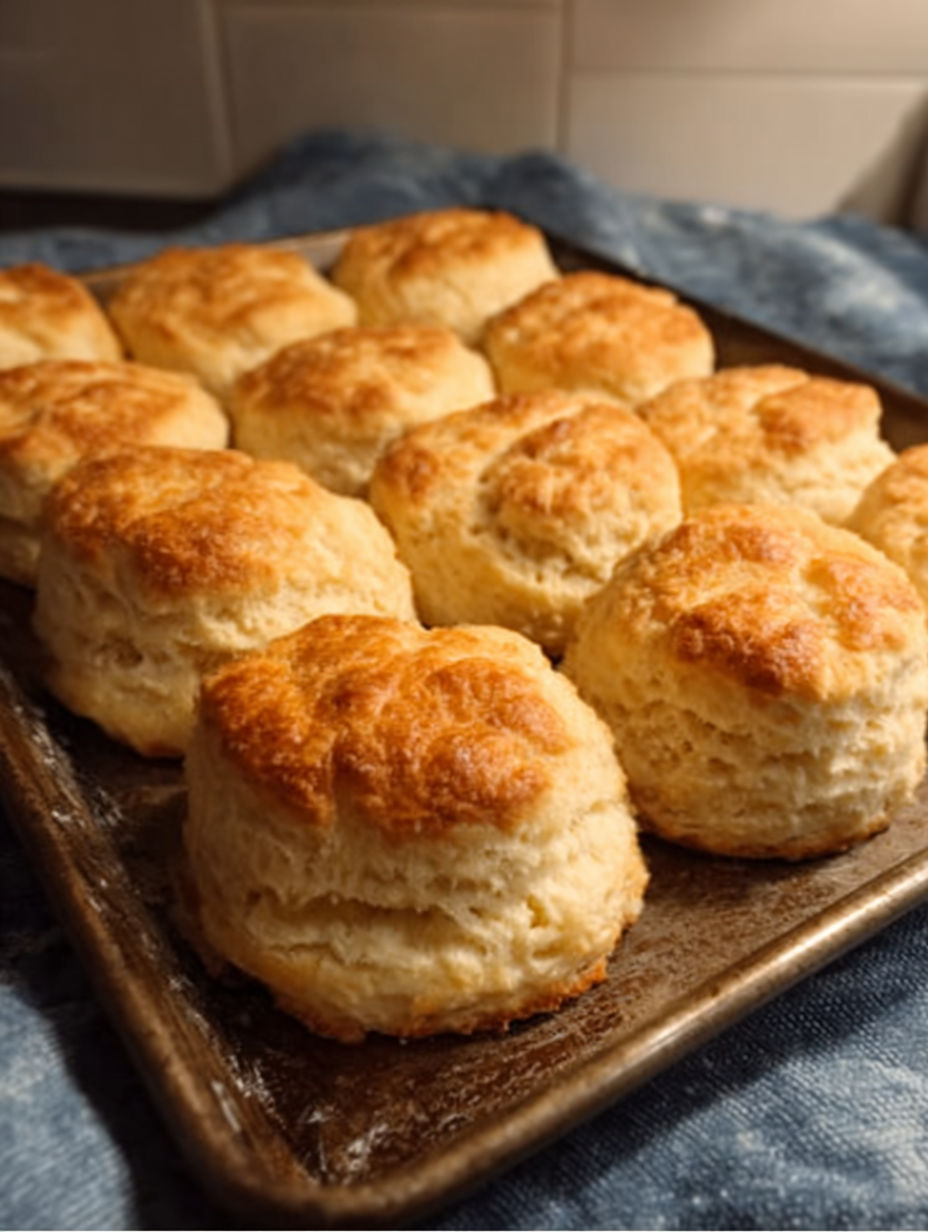
Growing up, the smell of these biscuits meant special breakfasts. My personal favorite moment is serving these at family reunions where they vanish before the butter even melts!
Storage Tips
To store, let biscuits cool completely, then wrap tightly in foil. Refrigerate for up to three days. For extended storage, freeze individually wrapped biscuits for up to one month. Reheat in the oven for a fresh-from-the-oven feel.
Ingredient Substitutions
No self-rising flour on hand Just combine 2 ½ cups of all-purpose flour with 3 ½ teaspoons baking powder and ½ teaspoon salt as a substitute. In place of buttermilk, try whole milk with lemon juice as instructed in the recipe.
Serving Suggestions
You can enjoy these biscuits with a dab of honey, a spoonful of gravy, or use them as the base for a breakfast sandwich. They also complement hearty soups and stews beautifully.
Cultural/Historical Context
These biscuits have roots in Southern cooking, where self-rising flour and buttermilk, staples of the southern pantry, elevate simplicity to an art form.
The simplicity and adaptability in this recipe make it a classic that’s here to stay. Master this once and you’ll find yourself returning to it all year round for any occasion.
Recipe FAQs
- → What makes Yonker Biscuits light and fluffy?
The key to light and fluffy biscuits is using cold butter or oil, gentle mixing, and minimal kneading to maintain the dough's texture.
- → Can I use all-purpose flour instead of self-rising flour?
Yes, but you’ll need to add 1 ½ teaspoons of baking powder and ¼ teaspoon of salt per cup of all-purpose flour to mimic self-rising flour.
- → What’s the best way to get flaky layers in the biscuits?
To create flaky layers, gently pat the dough into a rectangle, fold it in thirds, and repeat the process 2-3 times before shaping.
- → Can I substitute buttermilk in this recipe?
If you don’t have buttermilk, mix whole milk with a tablespoon of lemon juice or vinegar and let it sit for 5 minutes as a substitute.
- → How do I ensure my biscuits rise evenly?
When cutting the biscuits, press straight down with the cutter without twisting. This helps them rise evenly in the oven.
- → Can these be frozen for later?
Yes, you can freeze the unbaked biscuits on a tray. Once firm, transfer to a freezer-safe bag. Bake directly from frozen, adding a few extra minutes to the baking time.