
 Pin
Pin
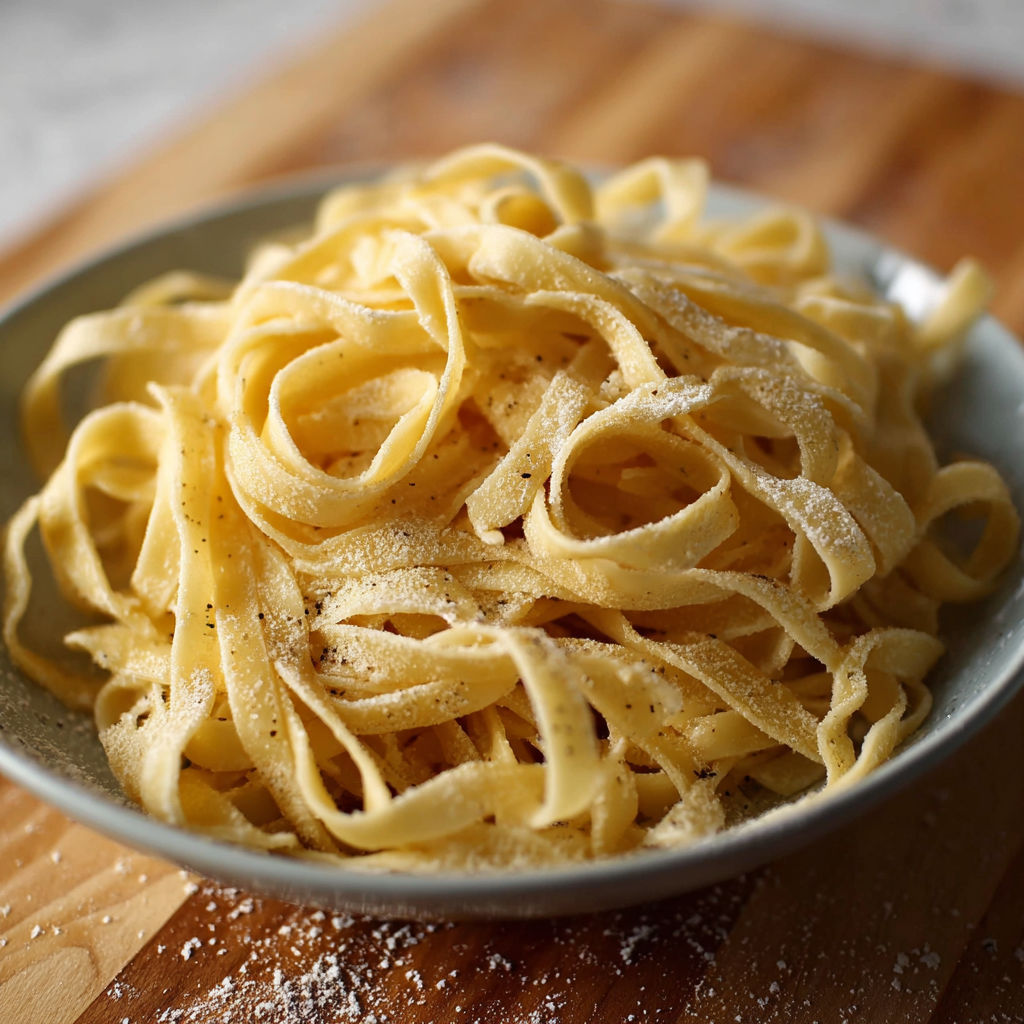
This homemade egg noodle recipe has been a comforting, hands-on tradition in my kitchen for years. The texture, taste, and sheer simplicity make it truly special—perfect for soups, casseroles, or just buttered noodles. Whether it’s a cozy dinner or a meal to impress, these versatile noodles shine.
I first learned to make this when I craved a hearty, scratch-made alternative to store-bought pasta. Now it’s a go-to family project on Sunday afternoons.
Ingredients
- Eggs: Contribute richness and structure to the dough. Use fresh, high-quality eggs for the best results.
- Egg yolks: Add a velvety texture and enhance color.
- Cold water: Binds the dough, helping with pliability. Ensure it is ice-cold for easy handling.
- Salt: Boosts flavor in the dough. Opt for fine sea salt for even dispersion.
- All-purpose flour: Forms the base, providing the necessary structure. Use unbleached flour for a better taste.
How to Make Homemade Egg Noodles
- Mix the Dough:
- Combine the egg, yolks, cold water, and salt in a bowl. Slowly add the flour while mixing. Once combined, knead until the dough feels smooth and elastic. This process should take 8 to 10 minutes.
- Roll and Cut:
- On a floured surface, roll out the dough to a thin layer around 1/8 inch thick. Do not rush this step—the even thickness ensures uniform cooking. Cut into strips using a pizza cutter for ease.
- Store or Cook:
- For storage, place on a tray in the fridge for 2 to 3 days or freeze for up to 2 months. If cooking immediately, boil salted water and cook the noodles for 7 to 9 minutes until they are tender but slightly firm.
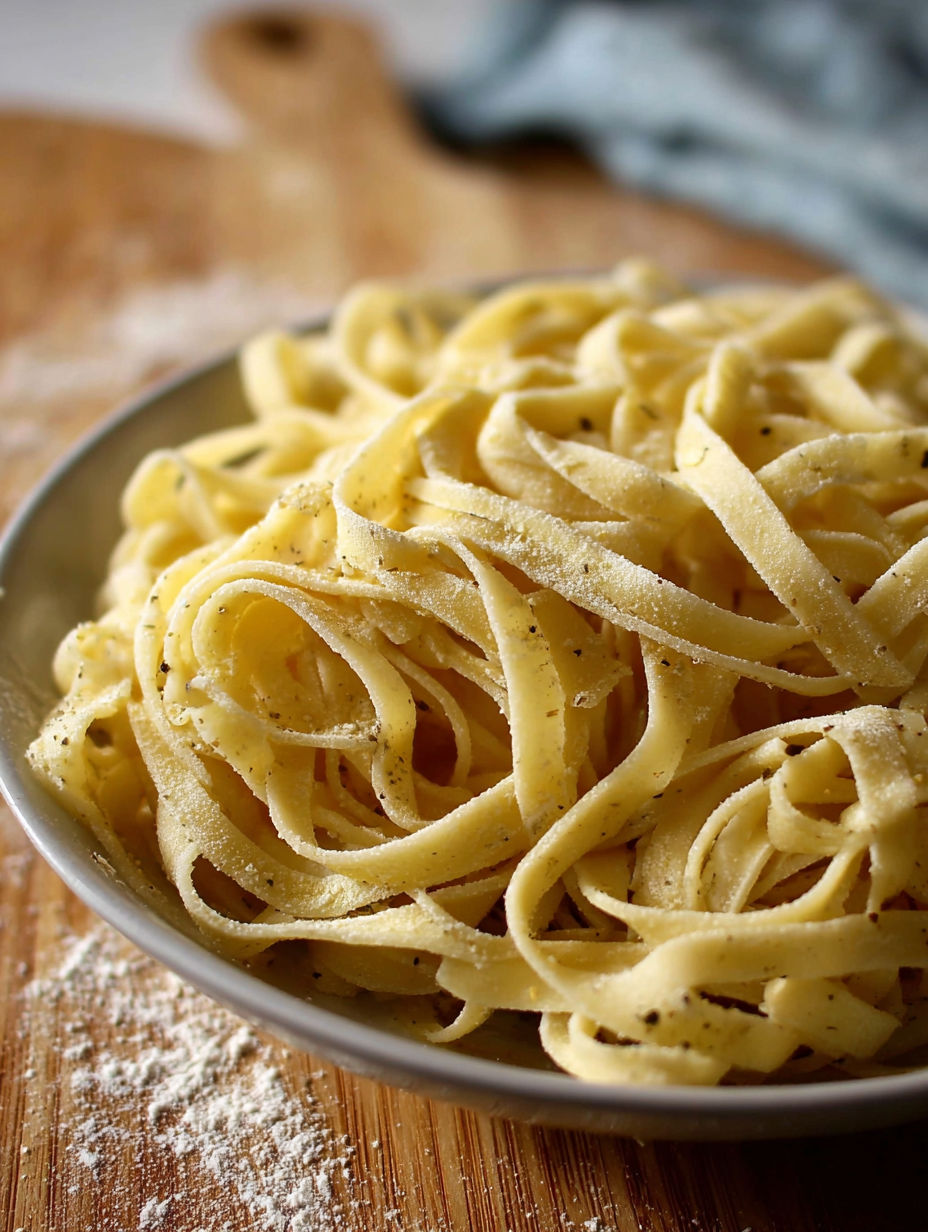
My favorite part is watching the kids eagerly try to perfect their rolling and cutting skills. Their enthusiasm always makes a homemade batch even more rewarding.
Storage Tips
To store in the fridge, dust the noodles lightly with flour to prevent sticking and place them inside an airtight container. In the freezer, they should be placed flat or in a single layer on a baking sheet, then transferred to a bag once frozen solid.
Ingredient Substitutions
If you are gluten-free, substitute with a one-to-one gluten-free flour mix. Adjust water quantity slightly based on how your flour absorbs moisture. To experiment with flavor, add a teaspoon of dried herbs like thyme or basil.
Serving Suggestions
These noodles are delicious as a base for soups like chicken noodle or beef broth. Toss them with browned butter and Parmesan cheese for a simple yet indulgent preparation. For a complete family meal, pair with a hearty pasta sauce and a side of roasted vegetables.
Cultural Notes
Egg noodles are a classic staple in many cuisines, from Eastern European dumplings to Italian pasta. Their versatility lends them to dishes steeped in history and loved globally. Although recipes vary, the simplicity of homemade egg noodles connects cultures and memories across generations.
Enjoy the process of crafting your very own noodles, from kneading to cutting them into shapes that reflect your personal touch. Few things feel as satisfying as boiling and eating noodles you made by hand. It is a recipe that turns a simple kitchen into a family-friendly workspace for creating food memories.
Recipe FAQs
- → Can I use whole eggs instead of just yolks?
Yes, you can use whole eggs, though using extra yolks adds richness and a slightly softer texture to the dough.
- → How thin should I roll the dough?
Roll the dough to about 1/8 inch thickness for a perfect noodle texture that cooks evenly.
- → Can these noodles be frozen?
Yes, you can freeze the noodles for up to 1-2 months. Lay them flat on a tray to freeze initially, then transfer to an airtight container or bag.
- → What’s the best way to cook them?
Cook the noodles in boiling salted water for 7-9 minutes, then strain and serve with your favorite soup or sauce.
- → Can I use these noodles in soups?
Absolutely! These noodles are excellent in soups like chicken noodle soup, adding a hearty, homemade touch to the dish.